Einleitung: Kunststoffabfälle verhalten sich nicht wie ein einheitliches Material. Ihre Form, Flexibilität und ihr Zuführungsverhalten bestimmen, wie das Zerkleinern die späteren Recyclingphasen unterstützt.
Forscher im Bereich des Kunststoffrecyclings verwenden „Kunststoffabfall“ häufig als Oberbegriff, obwohl sich ein starrer Produktionsklumpen, ein HDPE-Rohr, eine dünne Folie und ein Gewebesack in einer Maschine sehr unterschiedlich verhalten. Diese Unterschiede beeinflussen, wie das Material in die Kammer gelangt, wie gleichmäßig es den Rotor erreicht, wie leicht es sich verheddert und wie gut das zerkleinerte Material für die spätere Trennung oder das Waschen geeignet ist. Ein Einwellen-Shredder für das Kunststoffrecycling ist daher am besten als Zerkleinerungsstufe zu verstehen, deren Leistung von der Materialform und den Prozessbedingungen abhängt, und nicht als Universallösung für jeden Kunststoffstrom.

Bei der Betrachtung von Einwellen-Zerkleinerern ist die Form des Kunststoffs oft wichtiger als die allgemeine Bezeichnung „Kunststoff“. Starre Kunststoffklumpen können dick, uneben und schwer gleichmäßig zuzuführen sein, während HDPE-Rohre lang und hohl sind und sich möglicherweise nicht gleichmäßig in der Schneidzone verteilen lassen. Flexible Folien und Gewebesäcke verhalten sich genau umgekehrt: Sie sind leicht, verformbar und können sich um bewegliche Teile falten oder vor dem Schneiden zu losen Bündeln zusammenballen. Die Polymerfamilie spielt zwar weiterhin eine Rolle, aber die Form bestimmt, wie das Material auf Druck, Reibung und den Schneidvorgang reagiert. Daher sollte die gleiche Maschinenbeschreibung nicht als Beweis dafür verstanden werden, dass jedes Kunststoffmaterial das gleiche Ergebnis liefert. Ein dichter Klumpen erfordert möglicherweise eine kontrollierte Schubkraft, um den Kontakt zum Rotor aufrechtzuerhalten. Ein Rohr muss möglicherweise so positioniert werden, dass seine Länge und Hohlstruktur eine instabile Zuführung verhindern. Folien benötigen unter Umständen eine Vorbehandlung, die verhindert, dass lose Bahnen den Schneidvorgang umgehen oder sich um rotierende Komponenten ansammeln. Die relevante Frage ist nicht einfach, ob das Material aus Kunststoff besteht, sondern wie seine physikalische Form den Weg vom Einlauf zum Auslauf beeinflusst. Die Form beeinflusst auch den Zweck der Zerkleinerung. Bei starren Klumpen und Rohren kann das Zerkleinern übergroße Stücke in eine handlichere Form bringen, die sich besser für Transport, Sortierung, Waschen oder einen nachfolgenden Granulierprozess eignet. Bei Folien und Gewebesäcken geht es eher um Volumenreduzierung und kontrollierte Vorbereitung für die Weiterverarbeitung. Das Ergebnis sollte nicht automatisch als fertiges Recyclingharz oder als einheitlicher Rohstoff betrachtet werden. Das Recycling hängt weiterhin von der Polymeridentifizierung, der Kontaminationskontrolle, der Trennung, der Reinigung und den Anforderungen des nächsten Prozesses ab.
Das mechanische Verhalten von Kunststoffabfällen ändert sich, wenn sich das Material vom Aufgabebereich zum Rotor und Sieb bewegt. Der SOYU SR-Einwellen-Shredder nennt Kunststoffklumpen, HDPE-Rohre, flexible Folien und Gewebesäcke als Anwendungsbeispiele. Die Produktinformationen beschreiben außerdem einen hydraulisch angetriebenen Schieber, einen drehmomentstarken Rotor, austauschbare Siebgewebe und ein intelligentes elektrisches Steuerungssystem. Diese Merkmale erklären den allgemeinen Verarbeitungsprozess, ersetzen aber nicht die Notwendigkeit, unterschiedliche Materialeigenschaften zu unterscheiden oder ungewöhnliche Aufgabebedingungen zu testen.
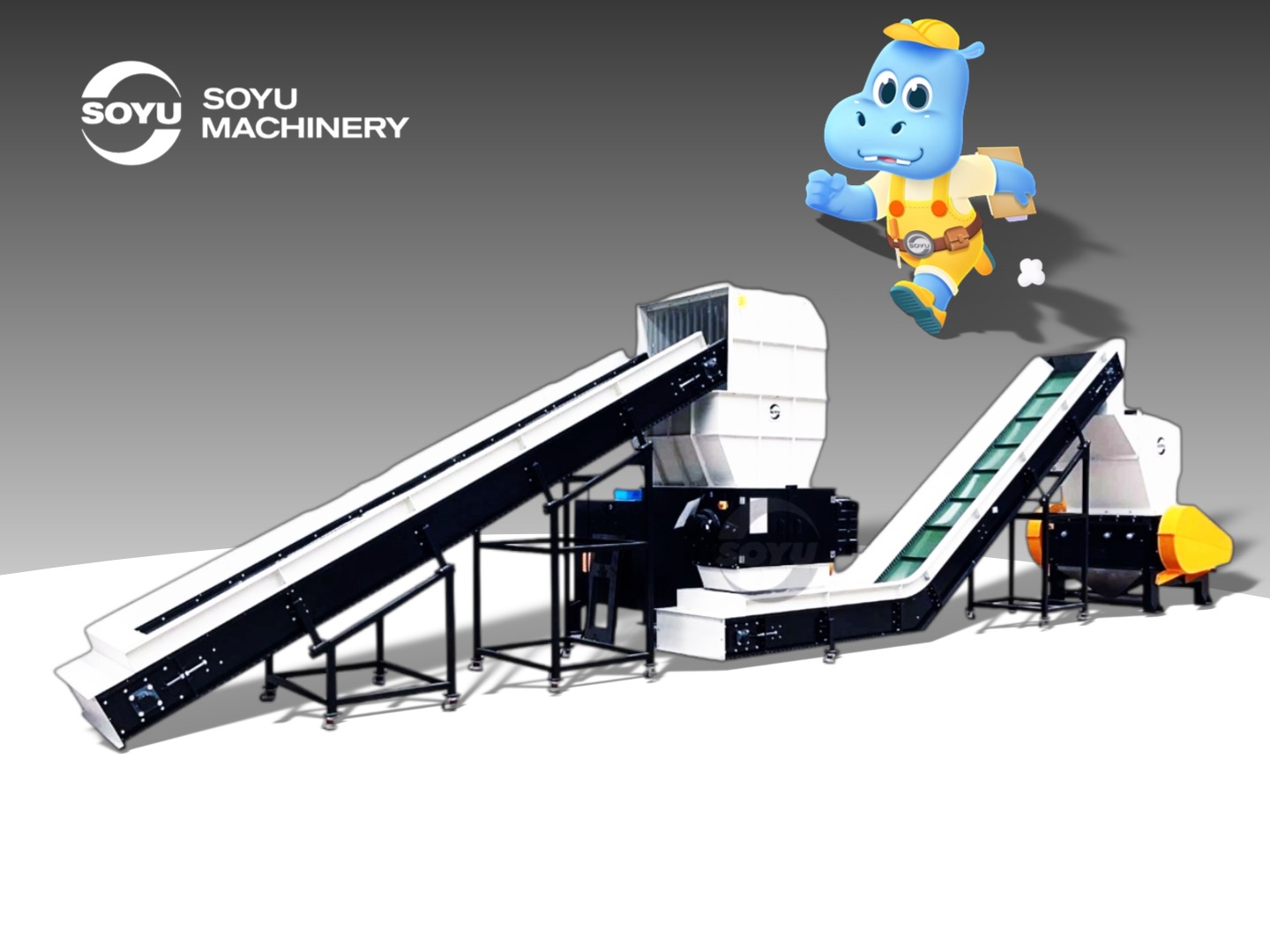
Starre Kunststoffklumpen stellen üblicherweise ein Widerstandsproblem dar: Ihre unregelmäßigen Oberflächen können den Rotor ungleichmäßig berühren, und dicke Abschnitte erfordern unter Umständen wiederholtes Einrücken, bevor sie das Siebsystem passieren. Ein hydraulisch angetriebener Schieber kann das Material zur rotierenden Welle befördern, während ein Rotor mit hohem Drehmoment die Schneidkraft während der Zerkleinerung aufrechterhalten soll. Der tatsächliche Durchsatz und die Austragskonsistenz hängen jedoch von Faktoren wie Klumpenabmessungen, Wandstärke, Polymertyp, Verunreinigungen und der gewählten Konfiguration ab. HDPE-Rohre stellen aufgrund ihrer stark variierenden Länge, ihres Durchmessers, ihres Hohlraums und ihrer Flexibilität eine andere mechanische Situation dar. Ein kurzes, dickes Rohrstück verhält sich nicht wie ein langes, dünnes Rohr, und ein sauberes Rohr verhält sich anders als eines mit Formstücken, Metalleinsätzen oder anhaftendem Material. Die Rohrgeometrie beeinflusst, wie sich das Aufgabematerial absetzt, wie der Rotor es erfasst und wie große Teile mit dem Sieb interagieren. Ein Einwellen-Shredder für HDPE-Rohre kann daher für den Anfang eines Recyclingprozesses relevant sein, die Eignung sollte jedoch vom tatsächlichen Rohrprofil und der Vorbereitungsmethode abhängen.
Flexible Folien und Gewebesäcke neigen eher zum Zusammenfallen als zum Reißen wie starre Kunststoffe. Sie können sich falten, dehnen, die Zuführöffnung überbrücken oder sich um rotierende Elemente wickeln, wenn die Zuführung locker oder unkontrolliert ist. Ihre geringe Schüttdichte kann zudem eine stabile Zuführung erschweren, da ein großes Volumen relativ wenig Masse enthalten kann. Dies verändert das Verhältnis zwischen der Nennleistung der Maschine und dem nutzbaren Materialdurchsatz. Gewebesäcke können als Einzelblätter, komprimierte Bündel oder in verunreinigter Verpackung angeliefert werden. Folien können sauber und trocken oder mit Etiketten, Feuchtigkeit, Staub und anderen Rückständen vermischt sein. Diese Bedingungen beeinflussen die Reibung, die Zuführstabilität und die Qualität des Zerkleinerungsguts. Das Vorhandensein flexibler Folien in einer Anwendungsliste sollte daher als Hinweis auf den Verwendungszweck verstanden werden, nicht als Garantie dafür, dass sich die Folien niemals verwickeln oder keine Vorbereitung erforderlich ist. Spezielle oder gemischte Materialien lassen sich am besten durch eine Materialprüfung und ein definiertes Prozessziel beurteilen.
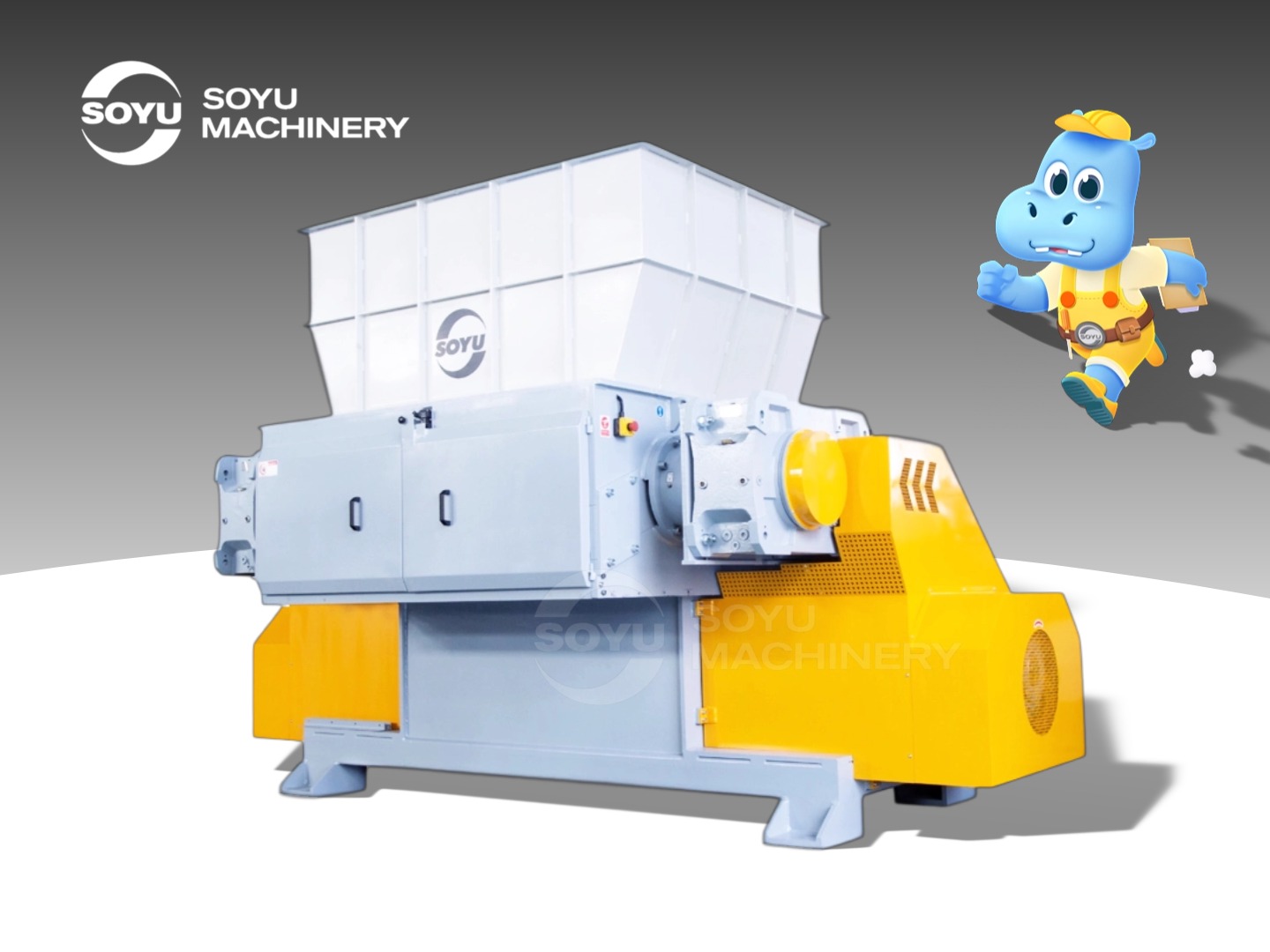
Ein Einwellen-Shredder nimmt üblicherweise eine frühe Position im Kunststoffrecyclingprozess ein. Seine Hauptaufgabe besteht darin, die Größe bzw. das Volumen des eingehenden Abfalls zu reduzieren, damit nachfolgende Anlagen das Material gleichmäßiger verarbeiten können. Sind die Teile kleiner oder weniger voluminös, lassen sich Förder-, Lager-, Magnet- oder andere Trennverfahren, Waschen, Trocknen und die weitere Zerkleinerung leichter organisieren. Der Shredder kann die physikalische Beschaffenheit des Abfallstroms verbessern, aber er entscheidet nicht selbstständig darüber, ob dieser für ein hochwertiges Recycling geeignet ist. Diese Grenze ist wichtig, da Kunststoffabfälle verschiedene Polymere, Additive, Beschichtungen, Feuchtigkeit, Etiketten, Schmutz oder nicht-plastische Anhaftungen enthalten können. Durch das Shreddern können Verunreinigungen freigelegt oder auf mehr Teile verteilt statt entfernt werden. Es kann auch eine Größenverteilung anstelle perfekt einheitlicher Partikel entstehen. Das für die SR-Serie beschriebene austauschbare Siebgewebe und das Schnellwechselsystem ermöglichen die Kontrolle der Austragsgröße mit einem Standard-Siebbereich von 40–100 mm. Die Siebgröße ist jedoch nur ein Teil des Endergebnisses. Rotorzustand, Messergeometrie, Zuführverhalten, Materialstärke und wiederholte Siebdurchgänge beeinflussen das Ergebnis. Für Forscher ist es am hilfreichsten, drei Fragen zur Interpretation eines zerkleinerten Kunststoffstroms zu beantworten: Erstens, hat der Prozess die Abmessungen oder das Volumen für den nächsten Verarbeitungsschritt ausreichend reduziert? Zweitens, wurde die für das Waschen oder Sortieren notwendige Materialtrennung beibehalten? Drittens, erfüllt das Ergebnis die Anforderungen an Größe und Reinheit der nachfolgenden Anlagen? Eine positive Antwort auf die erste Frage beantwortet nicht automatisch die beiden anderen. Auch die allgemeinen Richtlinien zum Kunststoffrecycling betonen die Wichtigkeit, Materialien im produktiven Kreislauf zu halten und Abfälle zu behandeln, bevor die Verwertung schwierig wird. Dieses Branchenziel sollte jedoch nicht mit einer spezifischen Leistungsangabe für eine Maschine verwechselt werden. In der Praxis können Kunststoffklumpen, HDPE-Rohre, Folien und Gewebesäcke zwar alle in die Diskussion um die Anwendung eines Einwellenzerkleinerers fallen, erfordern aber unterschiedliche Prozessannahmen. Ein sauberer, einkomponentiger Materialstrom lässt sich vergleichsweise einfach aufbereiten. Ein gemischter Strom mit unbekannten Polymeren oder anhaftenden Verunreinigungen birgt hingegen größere Unsicherheiten. Die Anwendungsbeispiele auf der Produktseite helfen, die Gerätekategorie einzuordnen. Die tatsächliche Zusammensetzung des Aufgabematerials, der angestrebte Output und der nachgelagerte Prozess entscheiden jedoch darüber, ob eine bestimmte Konfiguration geeignet ist. Die Produktinformationen von SOYU Machinery dienen daher als Referenzpunkt, um die vorgesehenen Kunststoffanwendungen der Geräte zu verstehen. Die detaillierte Leistungsfähigkeit hängt jedoch von den Materialbedingungen und den durchgeführten Tests ab.
Ein Einwellen-Shredder für das Recycling von Kunststoffabfällen sollte anhand des Materialverhaltens und nicht allein aufgrund der Materialart „Kunststoff“ bewertet werden. Starre Klumpen und HDPE-Rohre erfordern andere Zuführungs- und Schneidbedingungen als flexible Folien und Gewebesäcke, insbesondere bei Änderungen von Dicke, Länge, Dichte, Verunreinigung oder Verhedderungsgefahr. Das Zerkleinern ermöglicht eine wertvolle Größenreduzierung und Volumenkontrolle vor Sortierung, Waschen oder Wiederaufbereitung, garantiert aber allein kein recycelbares Material. Das Verständnis der Materialform, der Prozessfunktion, des Siebdrucks und der Testgrenzen bietet Forschern eine präzisere Grundlage für die Interpretation industrieller Anwendungen.
F: Kann ein Einwellen-Shredder Kunststoffklumpen und HDPE-Rohre verarbeiten?
A: Der Zerkleinerer eignet sich sowohl für Kunststoffbrocken als auch für HDPE-Rohre, da diese Materialien als Anwendungsbeispiele für den Einwellenzerkleinerer der SR-Serie dienen. Ihre Eignung ist jedoch nicht identisch: Brockendicke, Rohrdurchmesser, Rohrlänge, Wandstruktur, Verunreinigungen und Zuführungsbedingungen können das Zerkleinerungsverhalten beeinflussen. Die tatsächliche Konfiguration und die zu erwartende Leistung sollten vom jeweiligen Materialstrom abhängen. Tests sind insbesondere dann sinnvoll, wenn das Aufgabematerial gemischt, ungewöhnlich groß oder schwer zu charakterisieren ist.
F: Worin unterscheiden sich flexible Folien von starren Kunststoffklumpen beim Zerkleinern?
A: Flexible Folien lassen sich falten, dehnen, überbrücken oder um rotierende Teile wickeln, während starre Kunststoffklumpen aufgrund ihrer Dicke und unregelmäßigen Form im Allgemeinen einen höheren Widerstand erzeugen. Folien und Gewebesäcke weisen zudem oft eine geringe Schüttdichte auf, was eine stabile Zuführung selbst bei großem Volumen erschwert. Starre Klumpen stellen üblicherweise ein Problem für die Schneidkraft und wiederholtes Anhaften dar. Beide Materialströme erfordern daher unterschiedliche Aufmerksamkeit hinsichtlich Zuführungsverhalten, Verhedderungsgefahr, Kontamination und dem vorgesehenen nachfolgenden Prozess.
F: Garantiert das Zerkleinern von Plastikmüll ein geeignetes Material für das Recycling?
A: Nein. Durch das Zerkleinern wird zwar die Größe oder das Volumen reduziert, jedoch werden Polymere nicht automatisch identifiziert, Verunreinigungen nicht entfernt, inkompatible Materialien nicht getrennt, das Material nicht gewaschen und es wird kein einheitliches Ausgangsmaterial für die Wiederaufbereitung gewährleistet. Die Verwendbarkeit des zerkleinerten Materials hängt von der Zusammensetzung des Ausgangsmaterials, der gewählten Sieb- und Maschinenkonfiguration sowie den Anforderungen nachfolgender Sortier-, Wasch-, Trocknungs- oder Granulierprozesse ab. Die Größenreduzierung ist ein wichtiger Prozessschritt, aber kein vollständiges Recyclingergebnis.
Kunststoffe: Materialspezifische Daten | US EPA
Wie man Plastikverschmutzung verhindert und Abfall vermeidet | Ellen MacArthur Stiftung
Kunststoffe – die wichtigsten Fakten 2023 | Plastics Europe


